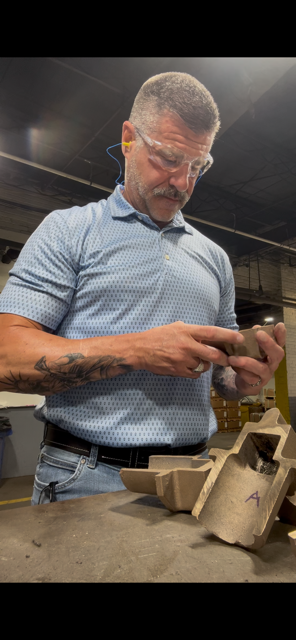
Bradley White with Penn State University METAL Program

Check out this episode of Industrial Talk featuring Bradley White with Penn State University METAL Program.

Industrial Talk is onsite at Penn State and talking to Bradley White with Penn State University METAL Program about “The Profession of Metallurgy”.

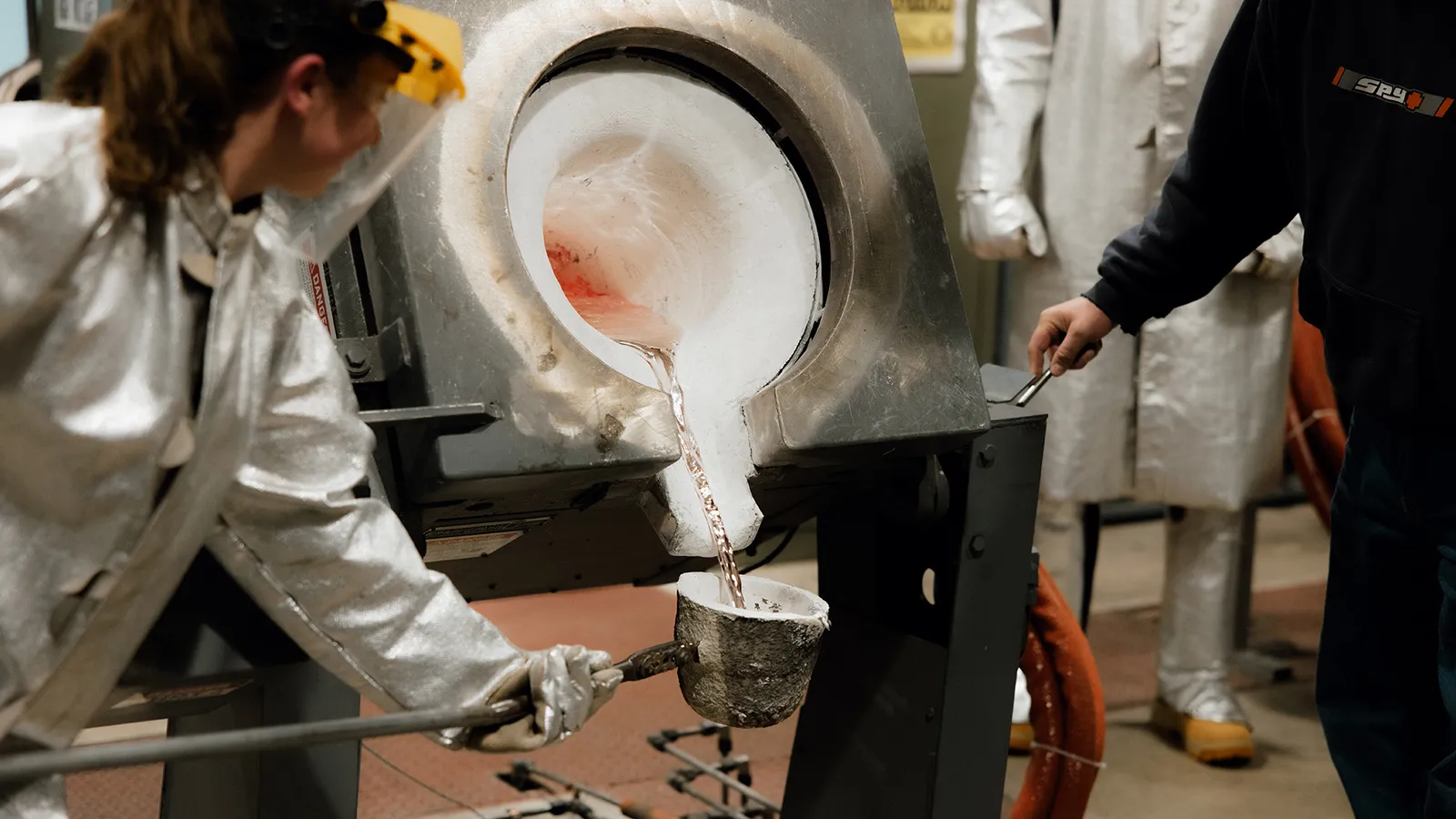
The Industrial Talk podcast episode, sponsored by the Propane Education and Research Council, features a discussion with Bradley White from Penn State’s METAL program. The program, which stands for Metallurgy, Metallurgical Engineering, Trade, Apprenticeship, and Learning, aims to train the next generation of workers in foundry skills. White, with 32 years of industry experience, is helping to establish a foundry lab at Penn State Barron, expected to be operational by 2027-2028. The program, funded by the Department of Defense, is expanding nationwide, with schools like Ohio State, Tennessee, and Purdue joining. The initiative emphasizes hands-on learning and real-world skills to inspire future industrial leaders.

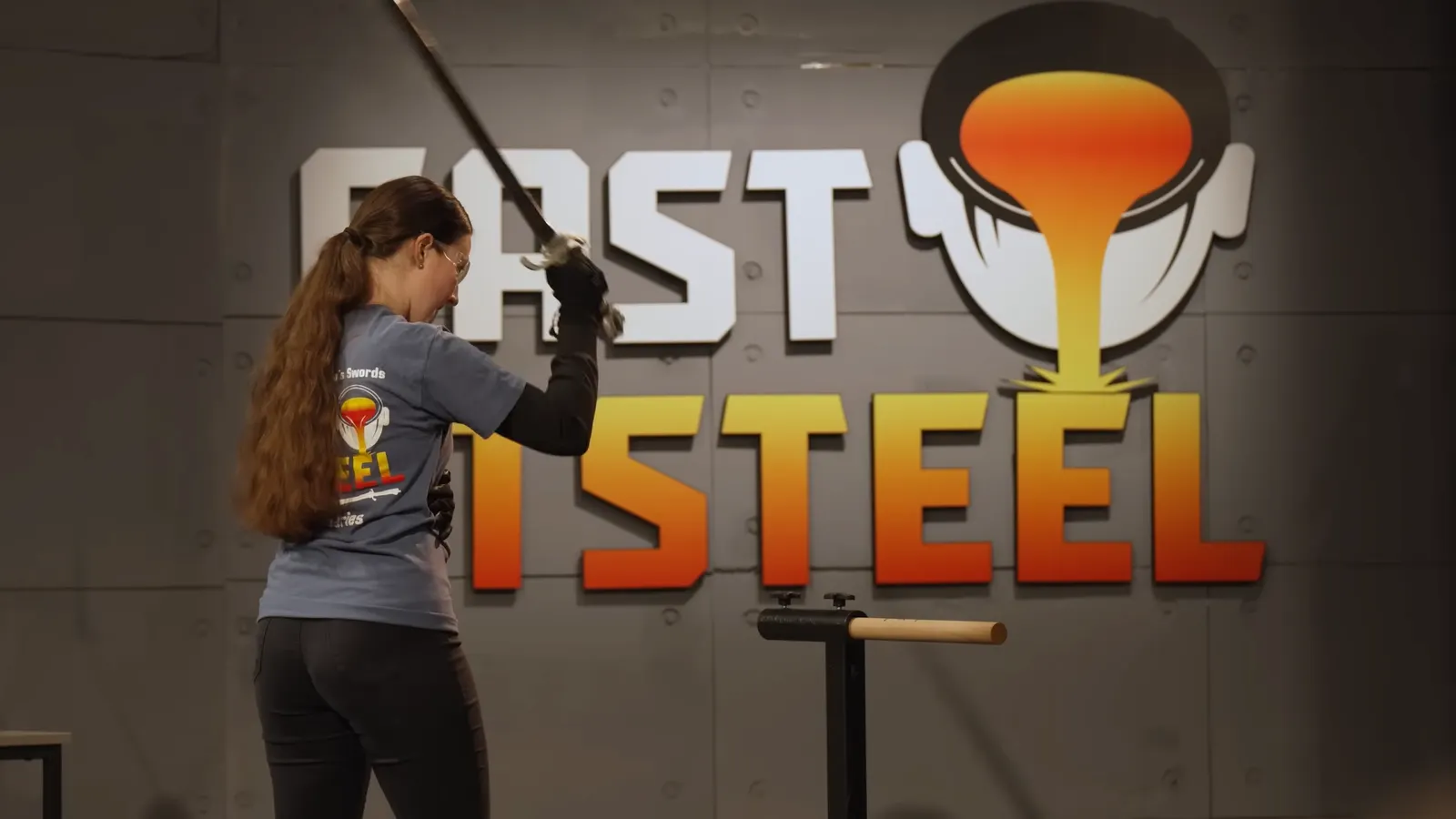


Manufacturing Dive: Reality show Cast in Steel aims to attract next generation of metal casters

Original source: Manfacturing Dive

Six teams from schools across the U.S. cast and forge one of George Washington’s swords in a competition to win $25,000. The series is funded through a Defense Department $16.3 million contract.

A Department of Defense’s multimillion-dollar contract has brought a metal casting competition to the worldwide stage as reality show competition in an effort to spread awareness of the skill trade and inspire a new workforce.

Six teams from schools across the United States will be competing for a $25,000 cash prize on the season one finale of the metal casting reality show, Cast in Steel, airing Thursday on YouTube.

Read the story


Modern Casting: Reviving the Metalcasting Workforce: Keystone Foundry Trains the Next Generation

Original source: Modern Casting, August 2026 Issue

Twenty years ago, Adam Scheloske set out to transform Keystone Foundry into a world-class metal manufacturer. Today, METAL is helping fuel that vision — training the foundry’s workforce while preparing the next generation of American metal workers.

Read the story on page 28


Gear Technology: METAL’s Manufacturing Workforce Network

Original source: Gear Technology

A DoW-funded partnership brings online courses and hands-on bootcamps to Purdue’s foundry lab, training that feeds gear production.

Many students and job seekers are unfamiliar with the advanced technologies and career opportunities available in metal casting and forging. But thanks to the Metallurgical Engineering Trades Apprenticeship and Learning (METAL) program, led by the IACMI-The Composites Institute, that is changing. METAL is partnering with universities to showcase the rewarding careers these industries offer. Together, these institutions are hoping to revitalize American manufacturing by delivering responsive, scalable, and sustainable workforce development programs.

Read the story here


Closing the Manufacturing Skills Gap with IACMI’s Mike Kubacki and Elliot Keas (Part 1)

Check out this episode of Manufacturing Unscripted featuring Mike Kubacki and Elliot Keas with IACMI, The Composites Institute.

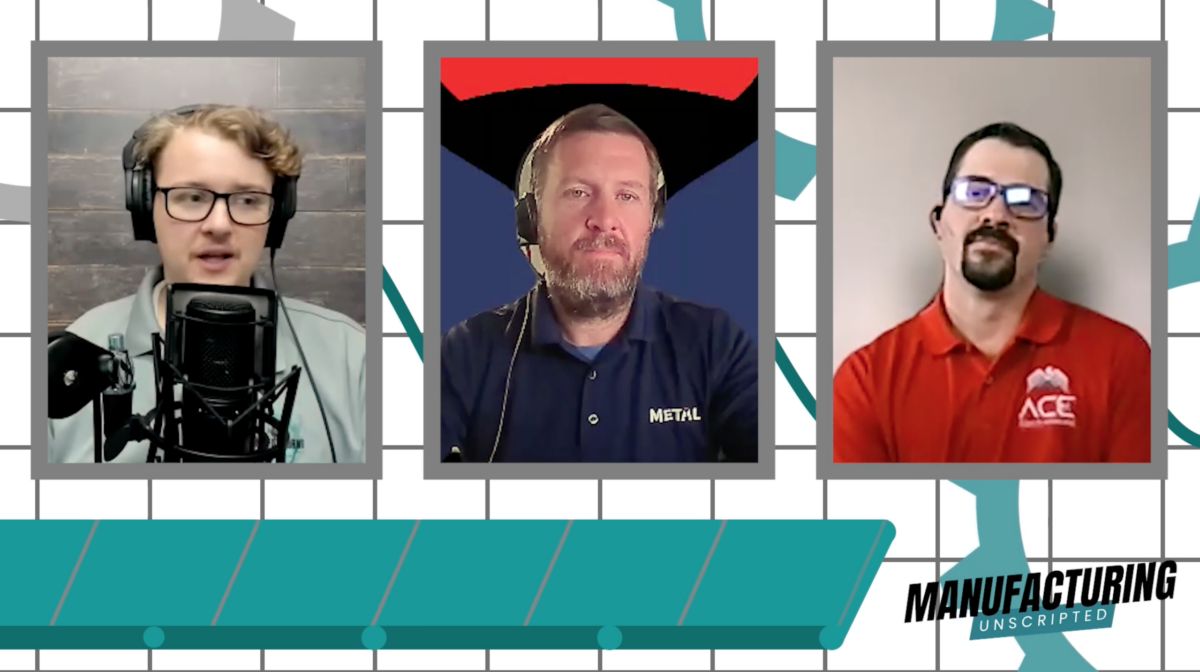
Peter Parsons sits down with Mike Kubacki and Elliot Keas of IACMI, the Institute for Advanced Composites Manufacturing and Innovation, to talk about how they’re building the next generation of the manufacturing workforce. Mike directs the METAL program and Elliot directs the ACE program, and together they break down how these initiatives connect academia, industry, and government to close the skills gap in advanced manufacturing.

They dig into the K through 12 outreach efforts getting kids hands-on with sand casting and machining before they ever set foot in a factory, why foundries have declined 40 percent over the past 20 years and what that means for national defense, and the career paths (apprenticeships, boot camps, internships) that can lead to a six figure salary without a four year degree.

Mike and Elliot also share their own winding paths into manufacturing, from wire bonding microelectronics for space and defense projects to leading 600,000 square feet of manufacturing operations. This is part one of a two part conversation. Join us next episode as we continue the discussion with Mike and Elliot.