
For more than 150 years, FerroWorks’ foundries have powered trains and railroads in America. Now, the steel company is keeping manufacturing in the U.S. on track by training the next generation of highly skilled metal workers.
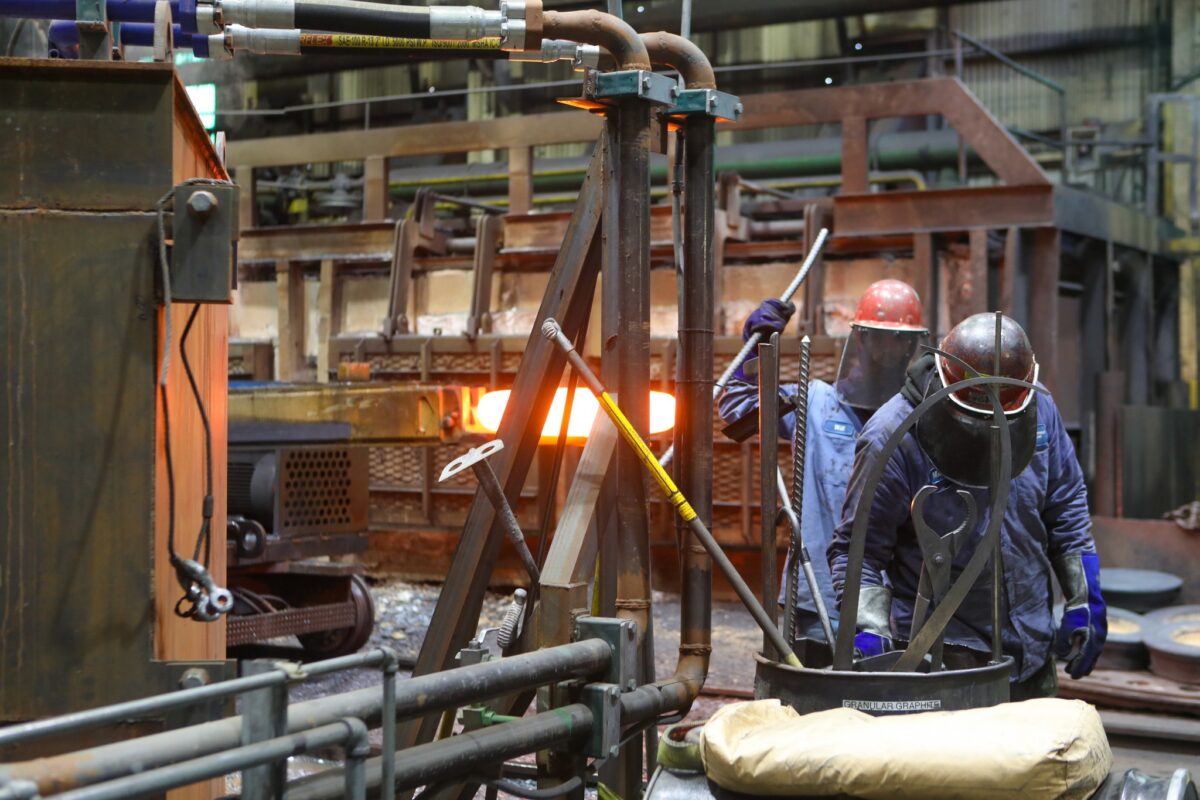
FerroWorks, which manages McConway & Torley, Standard Forged Products, Kutztown Foundry and Machining, and McKees Rocks Forgings in Pennsylvania, is known for its excellence in casting couplers, knuckles, and yokes—all parts that connect train cars together. The U.S. rail system transports 1.5 billion tons of goods and more than 28 million passengers each year, and keeps growing. Between 2022 and 2026, $66 billion will go toward improving railways and expanding train services, according to the American Society of Civil Engineers. In addition to casting critical train parts, FerroWorks is forging the growth and development of its employees. With funding from METAL and its partner Jobs for the Future (JFF), which supports companies in the development of high-quality apprenticeship programs, FerroWorks is training more metallurgists to keep up with the industry’s high-speed growth.
Kara Keith, a human resources generalist at FerroWorks, leads internal enrollment for the Industrial Manufacturing Technician (IMT) program—one of the pillar continuing education programs FerroWorks offers.
The 18-month apprenticeship program is hosted by the Community College of Allegheny County (CCAC) in Pittsburgh, Pennsylvania. Once a week, instructors from CCAC offer on-site training to a select cohort of FerroWorks’ team members. The classes range from industry topics like blueprint reading, mechanical and electrical systems, and pneumatics to leadership training and communication skills. Keith said the program is essential to providing employees with a well-rounded understanding of industrial manufacturing.
“Transferring knowledge is something that we struggle with in this industry,” she said. “This program makes our employees feel like they’ve been invested in and gives them a chance to learn more about other departments that they wouldn’t get to explore in their day-to-day roles.”
So far, 12 FerroWorks employees have graduated from the IMT program. This year, JFF will help sponsor training for six FerroWorks team members with its apprenticeship/work-based learning incentive funding, in partnership with METAL.
A Freight of Opportunities
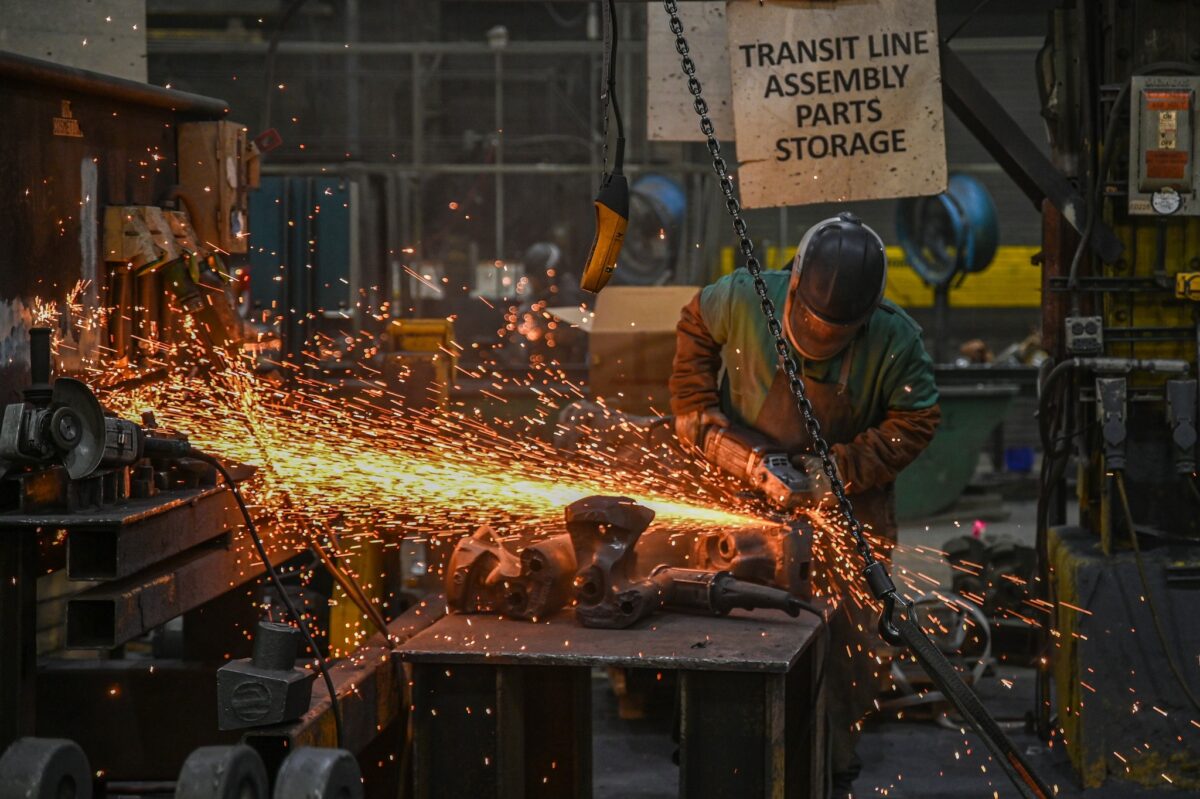
The U.S. casting and forging industry faces a pressing need for 122,000 skilled professionals by 2028 as workers retire and industry growth surges. In addition to a shortage of skilled metal workers, about 60% of manufacturers said attracting and retaining employees is a top challenge in a National Association of Manufacturers survey.
Through METAL, led by IACMI – the Composites Institute and supported by the Department of Defense’s IBAS program, JFF has helped seven companies to date build, expand and sustain work-based learning programs, including apprenticeships. These programs allow manufacturers to improve training and retention in casting and forging roles—while offsetting the cost. JFF’s incentive funding can be applied to in-person or online learning programs, training equipment and trainer costs, curriculum development, program design and implementation, and support services for apprentices.
“America’s casting and forging industry is essential to our country’s national security, infrastructure and other industries,” said Mark Genua, director of solutions design and delivery at JFF. “So we need a robust, well-trained workforce to fill these much-needed roles.”
For Keith, applying to JFF’s incentive funding was an easy decision and process. The funding FerroWorks receives will go toward tuition for CCAC’s IMT courses—and educating the company’s future leaders.
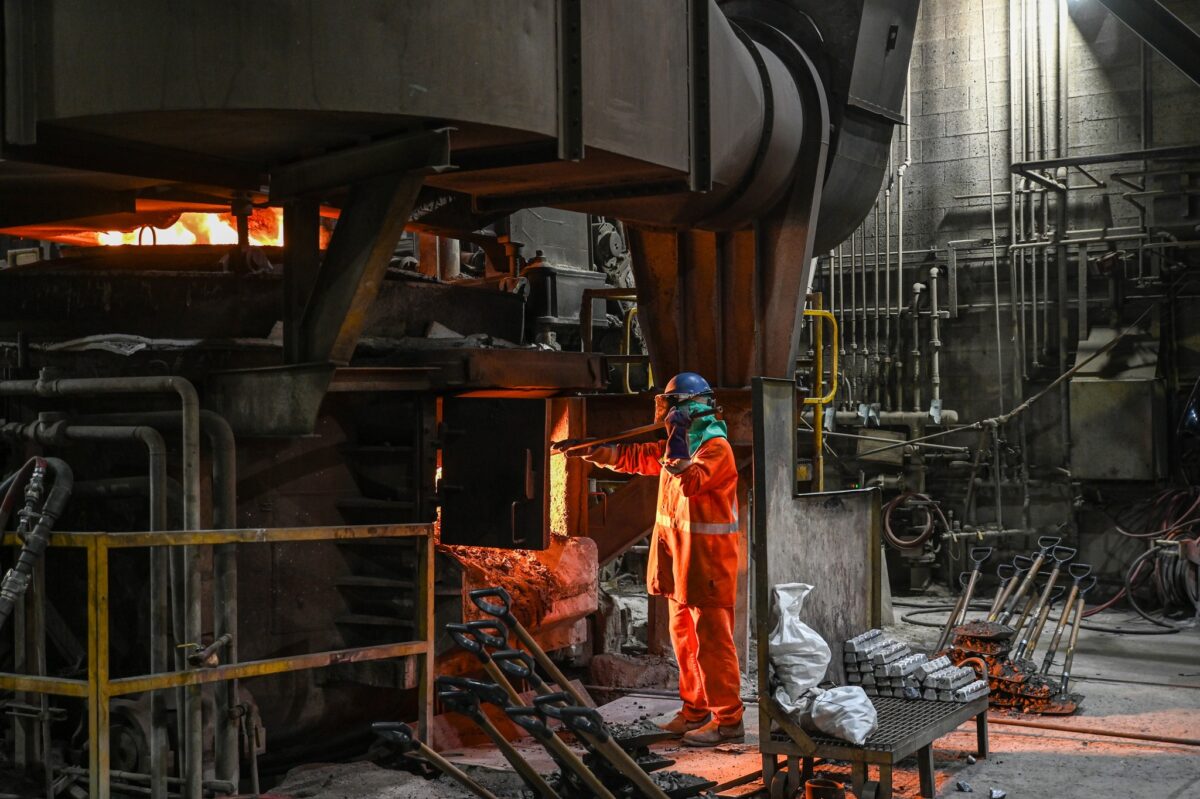
FerroWorks’ Rob Cain earned his IMT apprenticeship certificate before becoming a production operations supervisor. Cain started with the company as a grinder and said the apprenticeship program gave him the confidence to take the next step in his career.
“I already had the technical skills, but the IMT training gave me a more well-rounded understanding of the bigger picture, like how different systems and processes come together,” Cain said. “I still use what I learned in the program every day in my leadership role.”
IMT’s apprenticeship program is a nationally recognized certification that advances participants’ careers wherever they work in manufacturing. For FerroWorks, programs like IMT help the steel company reach production and retention goals, but Keith said the greatest benefit is employee development.
“At the end of the day, the more leaders we can grow and grow people who can teach others, the more knowledge sharing and learning takes place,” Keith said. “We’re ultimately fostering a more skilled, versatile and engaged workforce.”
Ready to forge a stronger manufacturing workforce? Apply for JFF’s apprenticeship incentive program here.