
Manufacturing Works has been the right hand of Northeast Ohio’s manufacturing community for nearly 40 years. Through life-changing apprenticeships and strategic funding, the organization helps manufacturers grow their talent and produce high-quality parts faster. Now, at a pivotal time for our nation, Manufacturing Works is forging a skilled workforce for the metal industry.
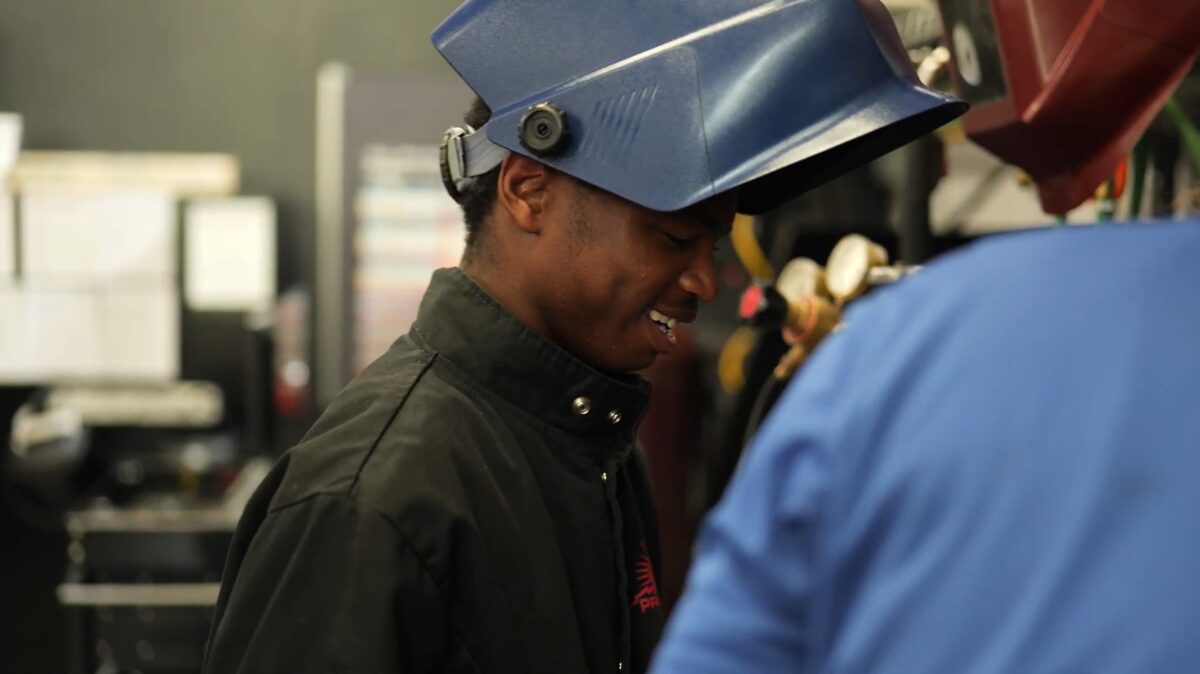
Foundries today need one thing: people. More than 65% of manufacturers said attracting and retaining talent is their top business challenge, according to a 2024 National Association of Manufacturers survey. By 2033, almost 4 million manufacturing jobs will be available in the U.S., but half could go unfilled due to an unprecedented skills gap in the workforce.
Beth Dawson, director of apprenticeship programs at Manufacturing Works, explained that the COVID-19 pandemic catalyzed the nation’s labor shortage. Before the end of 2020, almost 29 million Baby Boomers in the U.S. retired—200% more than in 2019.
“When you look at the skilled workforce in manufacturing, most of them are planning to retire,” Dawson said. “The need for new talent and knowledge transfer is critical.”
Casting Solutions to the Talent Crisis
When metal workers are in short supply, America’s strength is, too. Metalcasting, forging and rolling are vital for producing fighter jets, naval ships, weapons, and components in transportation, medical and agricultural industries.
In April, the White House issued an executive order to ensure national security and economic resilience related to critical minerals like metal and its manufactured products.
“A strong national defense depends on a robust economy and price stability, a resilient manufacturing and defense industrial base, and secure domestic supply chains,” President Trump wrote.
Together with METAL and Jobs for the Future (JFF), group sponsors like Manufacturing Works are part of the solution. Manufacturers, who are often short on time and budget, can partner with group sponsors to manage apprenticeships and workforce development programs for them, JFF’s Director of Solutions Design and Delivery Mark Genua explained.
“It’s an easy lift for small to mid-sized employers. They could have an apprentice the next day,” Genua said. “Instead of taking the time to develop a program, employers can do what they do best—train.”
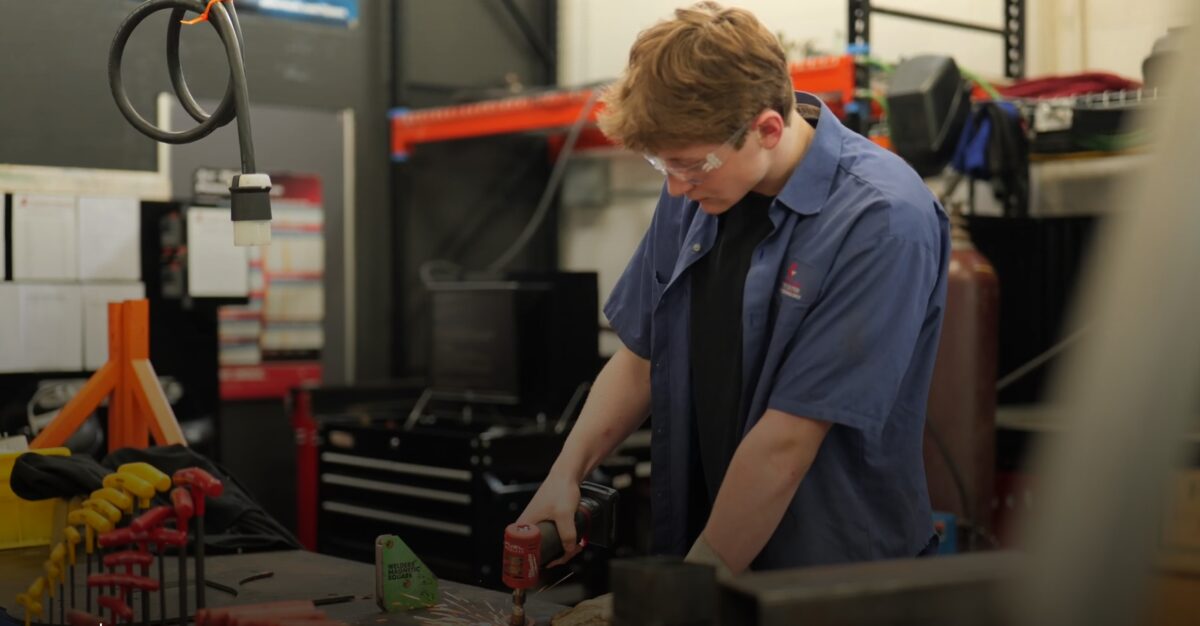
METAL, led by IACMI – the Composites Institute and supported by the Department of Defense’s IBAS program, and JFF work with community colleges and nonprofit organizations across the country to administer apprenticeship programs for metal manufacturers. Through this partnership, casting, forging, and plate rolling companies can access up to $24,000 per year for in-person or online learning programs. The funding can cover training equipment and trainer costs, curriculum development, program design and implementation, and support services for apprentices. Manufacturing Works was awarded incentive funding from JFF through METAL earlier this year.
So far, JFF and Manufacturing Works have sponsored and supported seven forging apprentices. But this is only the beginning. Since Dawson joined Manufacturing Works in 2020, the organization’s apprenticeship programs have grown 400%—making it clear, manufacturers need help.
“I met a company with machines that can produce 30,000 parts a day,” Dawson said. “But because they don’t have the talent to run the machines, they’re only producing 14,000 parts. Think about what that does to their production.”
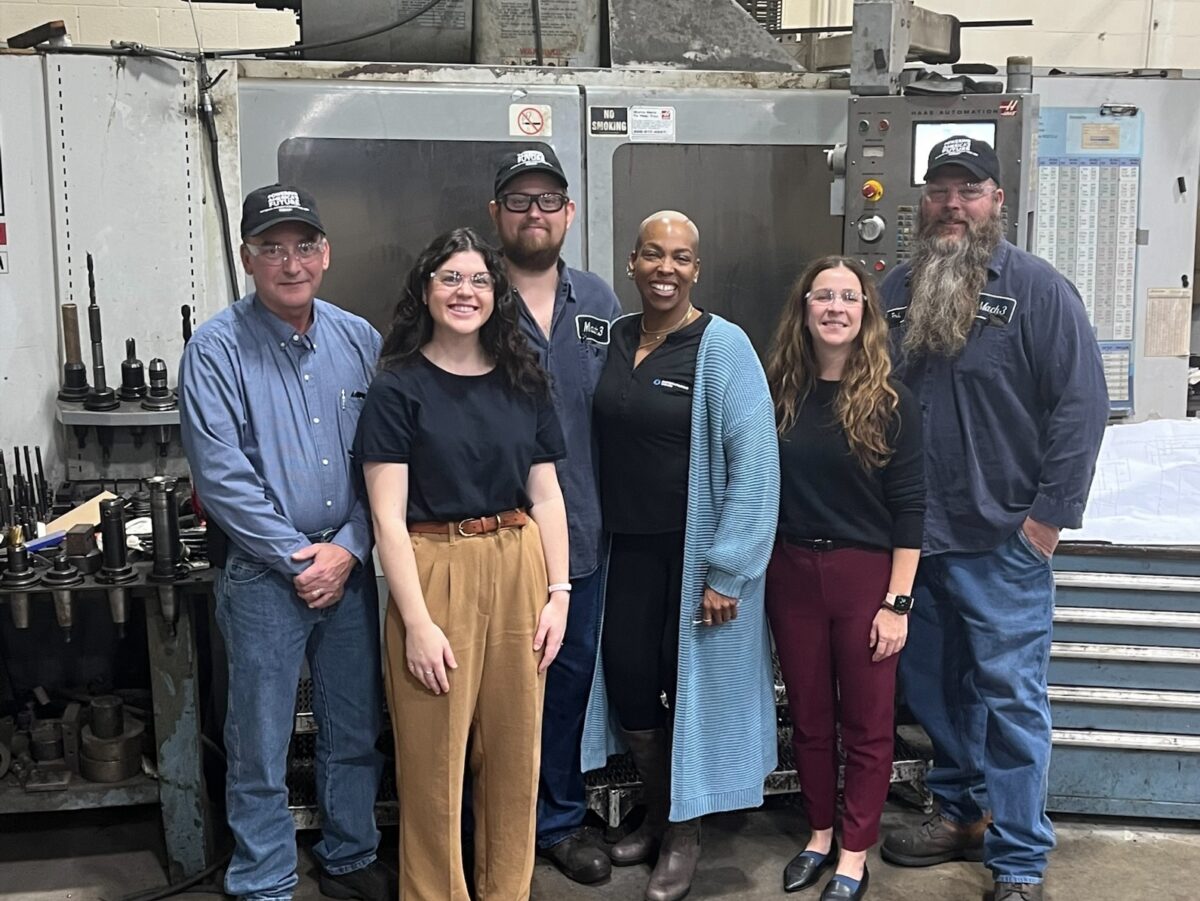
Dawson works closely with her teammates Angilique Cole, workforce program and data coordinator, and Tiffany Rashada, director of strategic marketing, to connect manufacturers with apprentices—and transform metal workers’ lives.
Training Metal Workers—And Changing Lives
In Northeast Ohio, the road to a manufacturing career can feel out of reach. Many residents face hurdles that extend far beyond the foundry—from reading and transportation to the high cost of childcare. In East Cleveland, where household incomes are around $37,500—less than half the national average—families must overcome steep economic challenges.
Most apprenticeship programs take about four years to complete. But when metal workers graduate, they have the skills to support a fulfilling, in-demand career, with salaries starting at $57,500 a year, according to Manufacturing Works’ data.
That’s exactly what Manufacturing Works’ apprentice Alexandra Wagoner was looking for.
“I wanted to go into a career path that wouldn’t require a long academic education,” Wagoner said. “This is the only option for me that provides a stable career without needing a bunch of college.”
When Manufacturing Works visits high schools, Dawson said their goal is to help students and parents see the potential and career opportunities the metal industry offers.
“Their earning potential coming out of college is likely going to be lower than a journey-level person completing their apprenticeship, and with an apprenticeship, they won’t have college debt,” Dawson said.
Cleveland is also one of the most diverse cities in Ohio. To help apprentices and metal workers find success, manufacturers need to build welcoming environments with a strong learning culture, Rashada said.
“Most manufacturers care about employee engagement and retention,” Rashada explained. “But to even engage people that are non-traditional in manufacturing, your culture matters.”
With a deep passion for their communities, the Manufacturing Works team is dedicated to helping Ohio’s manufacturers overcome workforce challenges. Through mentorship, supervisor training, high school outreach and math- and literacy-focused pre-apprenticeships, Manufacturing Works is forging an industry where metal workers thrive.
Thanks to Cole, manufacturers can trust that their apprentices are on the track to success.
“I have to fuss at them sometimes, but it is all for the good,” she joked. “I just want them to let me know if they encounter and stumble across anything, professionally and personally. We can get over this hump together.”
Cole said the most rewarding part of her job is seeing people’s humble beginnings before finding a career in manufacturing.
“When they get to the finish line, I’m probably more emotional than they are,” she said. “They don’t realize the difference they’ve made in their lives.”
Ready to forge a stronger workforce? Apply for JFF’s apprenticeship incentive program here.
Cast a new career: Register for our free online training, then visit our events page to attend the next METAL bootcamp near you.