The United States manufacturing sector isn’t just facing a worker shortage; it is dealing with a systemic failure in talent acquisition.
As an industry, we pour millions of dollars into world-class technical training, yet when it comes time for those skilled individuals to enter the workforce, we rely on the passive, outdated “post and pray” approach of general job boards. The industry passively hopes that emerging professionals will somehow stumble into the right roles.
METAL, led by IACMI – The Composites Institute®, and funded by the Department of War’s Office of Industrial Base Policy, was built to revitalize American manufacturing through hands-on training in casting and forging.
Through K-12 workshops and university bootcamps, METAL introduces students and career seekers to modern metalcasting and forging careers. Participants can complete METAL’s free online training before attending immersive, in-person bootcamps led by professional metallurgists and manufacturing experts.
Earlier this year, METAL partnered with hiring platform Laborup. Through AI-powered technology, Laborup connects manufacturers with vetted, skilled workers five to ten times faster than traditional staffing agencies.
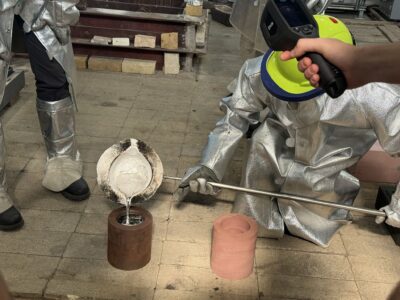
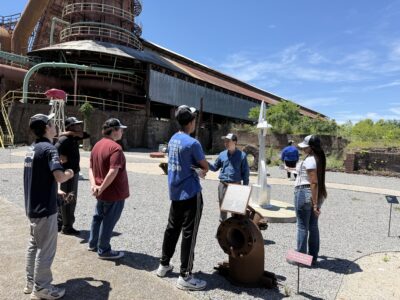
Laborup Founder Simba Jonga attended the METAL Bootcamp at Ohio State.
Trades professionals can start by creating a free profile and speaking their job history and skills into the app. Laborup’s voice AI takes it from there, generating a resume and job profile recruiters can quickly evaluate. Once a profile is complete, the app begins matching workers with manufacturing opportunities aligned with their experience, skills and wage expectations.
Since partnering with METAL, Laborup Founder and CEO Simba Jonga and Market Development Manager Cambrie Cook have had the chance to experience METAL bootcamps first-hand.
“We’ve been at Ohio State and UAB [University of Alabama at Birmingham] engaging with the students, showing them the platform, showing them that these careers do exist and setting them up with interviews,” says Jonga.
Capturing Talent on the Training Floor
LaborUp is not just another digital job board filled with noise and unqualified spam. It is a specialized, targeted career network built exclusively for the trades and industrial sectors. The platform cuts through the clutter, serving everyone from curious high schoolers discovering metalworking to highly skilled veterans approaching retirement.
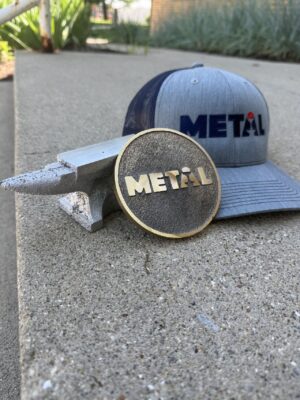
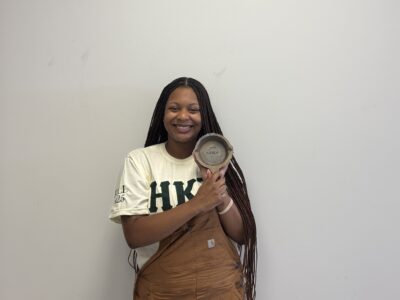
METAL Bootcamp attendees create brass medallions.
The integration of Laborup into METAL bootcamps is a game-changer for the training-to-career pipeline. At the tail end of the program, students are guided through the platform, assisted in building their digital professional profiles, and educated on the diverse manufacturing career opportunities waiting for them outside the classroom.
By engaging with METAL graduates early through LaborUp, companies have the unique opportunity to present their value propositions beyond the paycheck. Employers can highlight their company culture, career advancement pathways, and organizational mission.
Getting in front of these students early builds brand loyalty and a deeper connection to the company’s vision, creating employees who are invested in long-term growth rather than short-term financial leaps. Thanks to the METAL Credly certification, employers know they’re getting trained and ready candidates.
A Strategy for Every Demographic
At the recent late-May bootcamp attended by Jonga at The Ohio State University, the participants were largely degree-track college students focused on metallurgical engineering. By capturing these individuals right as their hands-on training concluded, this partnership handed employers a direct, exclusive line to highly educated, immediate-impact talent ready to deploy.
Conversely, at the University of Alabama at Birmingham (UAB) bootcamp attended by Cook, a much younger crowd of 15- and 16-year-olds were exploring the trades. Engaging with high schoolers might not solve a manufacturer’s immediate hiring quota for next Tuesday, but it accomplishes something far more critical: it secures the industry’s future pipeline.
By capturing their interest now, we are showing these students that the trades offer lucrative, high-tech, and engaging career paths before they are pressured into alternative educational routes.
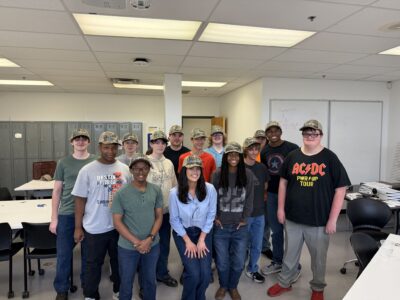
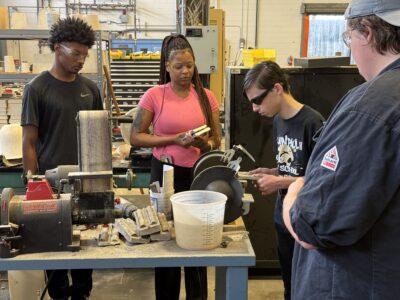
Laborup’s Cambrie Cook attended the METAL Bootcamp at the University of Alabama at Birmingham.
Fixing a Broken Recruiting Model
For regional and national manufacturers, the traditional hiring model is broken. When employers use general job boards, they are forced to sift through hundreds of irrelevant applications. Laborup fixes this by enabling our METAL graduates to self-report their verified bootcamp credentials directly on their profiles. Employers no longer have to guess whether a candidate has hands-on metallurgical experience; the proof is built in, giving hiring managers instant access to a screened network of verified talent.
More importantly, this early access is the most effective weapon regional manufacturers have against massive aerospace, defense, and automotive giants. In high-density industrial corridors, independent manufacturers are competing for the exact same specialized talent pool as globally recognized corporations. If independent manufacturers wait for highly trained graduates to hit the open market, the competition devolves into a bidding war they are likely to lose. A graduate choosing a job based purely on a one-dollar-per-hour premium is a massive flight risk.
The Future of Manufacturing Acquisition
The momentum generated by these initial pilot bootcamps featuring Laborup is just the beginning.
“We were able to talk about careers and expose them [campers] to what these jobs look like,” said Jonga. “They sign up for the platform and give us feedback on what they’re looking for.”
The METAL team and Laborup are currently analyzing early data to track sign-ups, interview rates, and job placements, and are continually refining the bootcamp-to-work experience.
The future of manufacturing relies on capturing highly skilled talent and aggressively guiding it into the workforce. Through this targeted, collaborative approach, METAL and Laborup are proving that when you actively connect the training floor to the industry floor, everybody wins.