New METAL Hub Launches at Michigan Technological University


HOUGHTON, Michigan, May 8, 2025 – The Metallurgical Engineering Trades Apprenticeship & Learning (METAL) program is proud to announce a new partnership with Michigan Technological University (MTU) to enhance and scale up industry-driven training opportunities for current and prospective metalworking and manufacturing professionals. Led by IACMI – The Composites Institute® with funding from the Department of Defense’s Industrial Base Analysis and Sustainment Program, METAL strengthens and diversifies the U.S. metal manufacturing workforce, focusing on casting, forging and plate rolling.

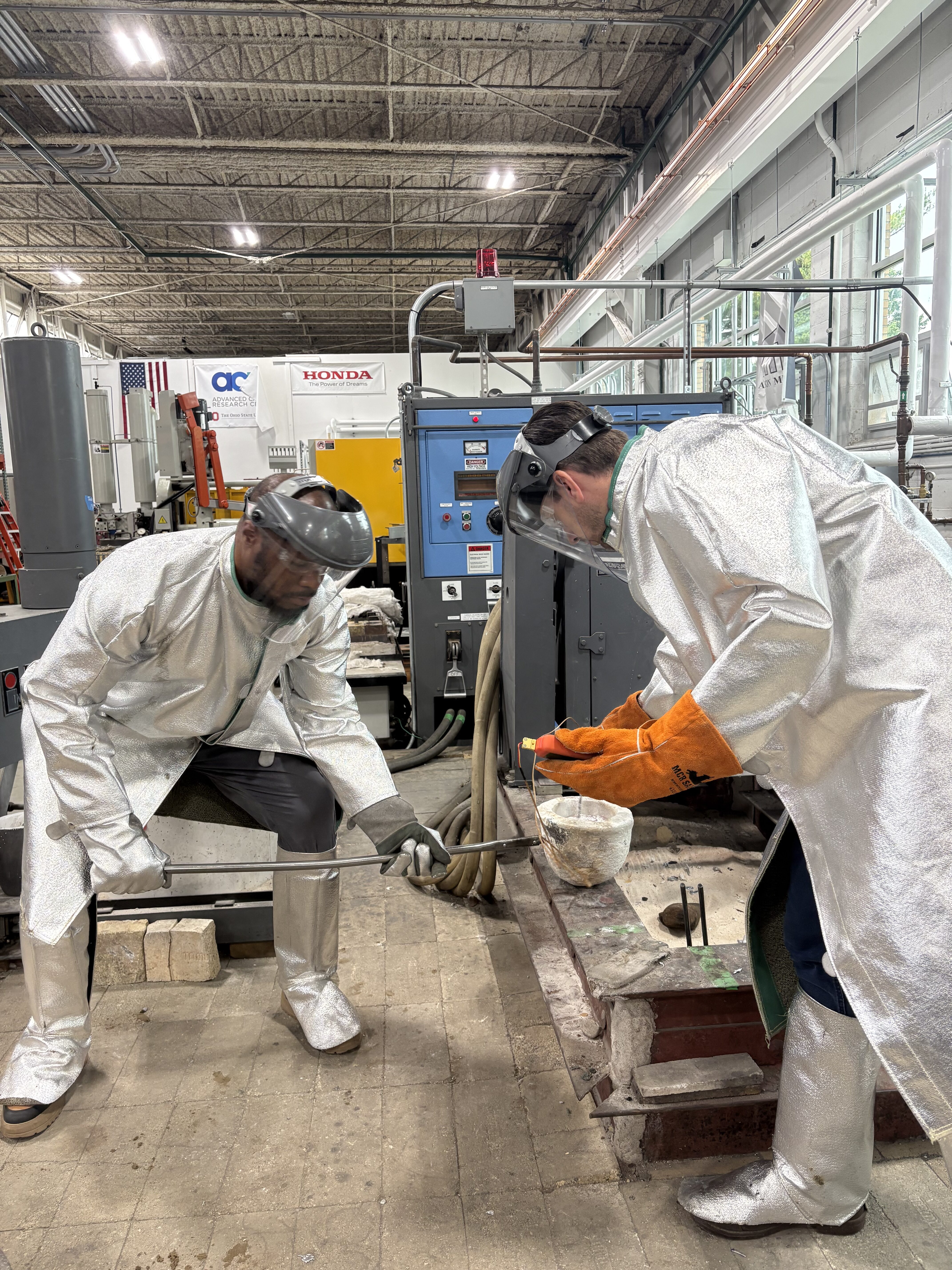
This partnership will provide hands-on and online workforce training designed to strengthen the casting, forging, and machining industries.

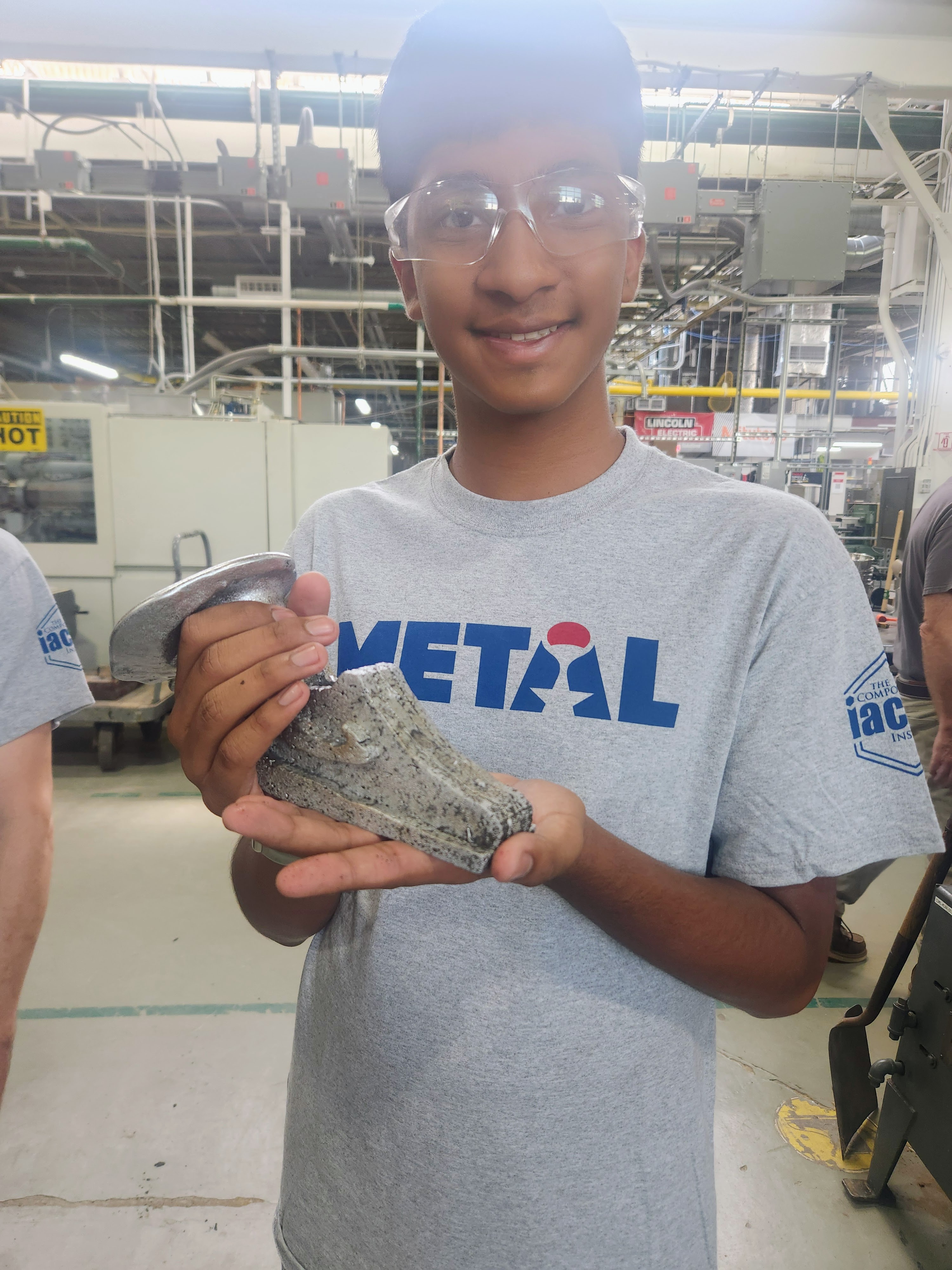
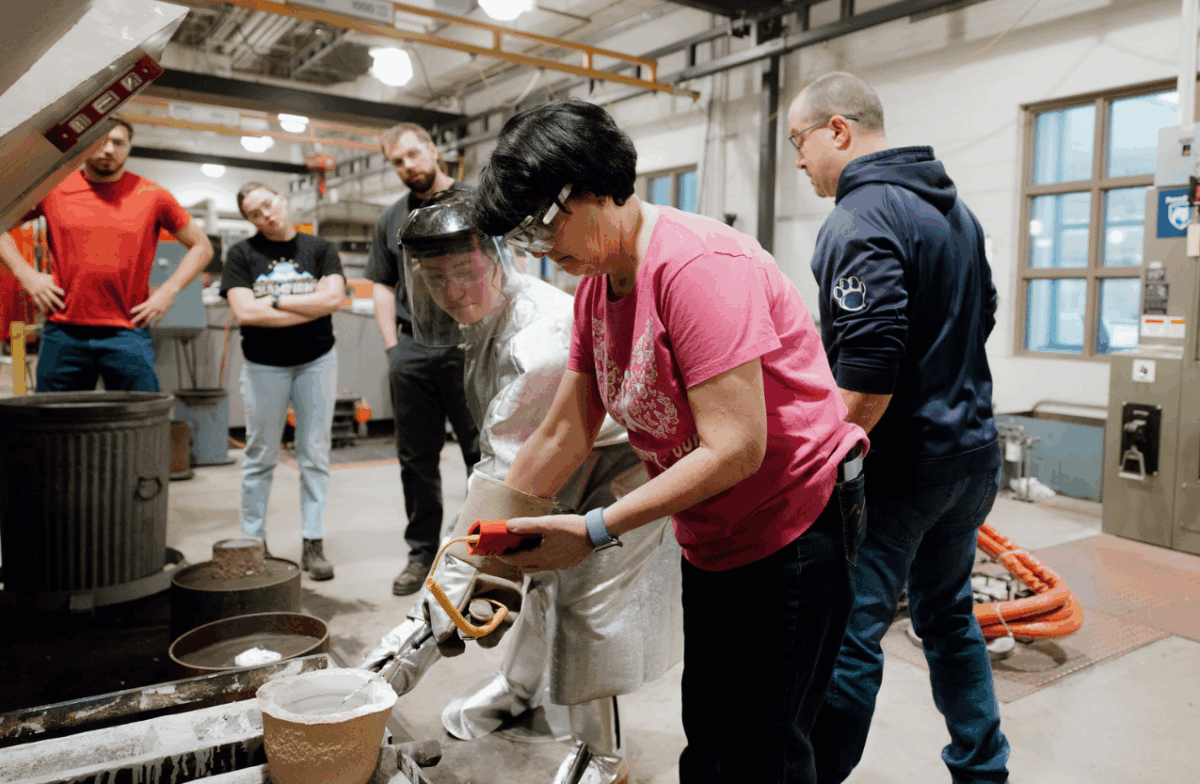
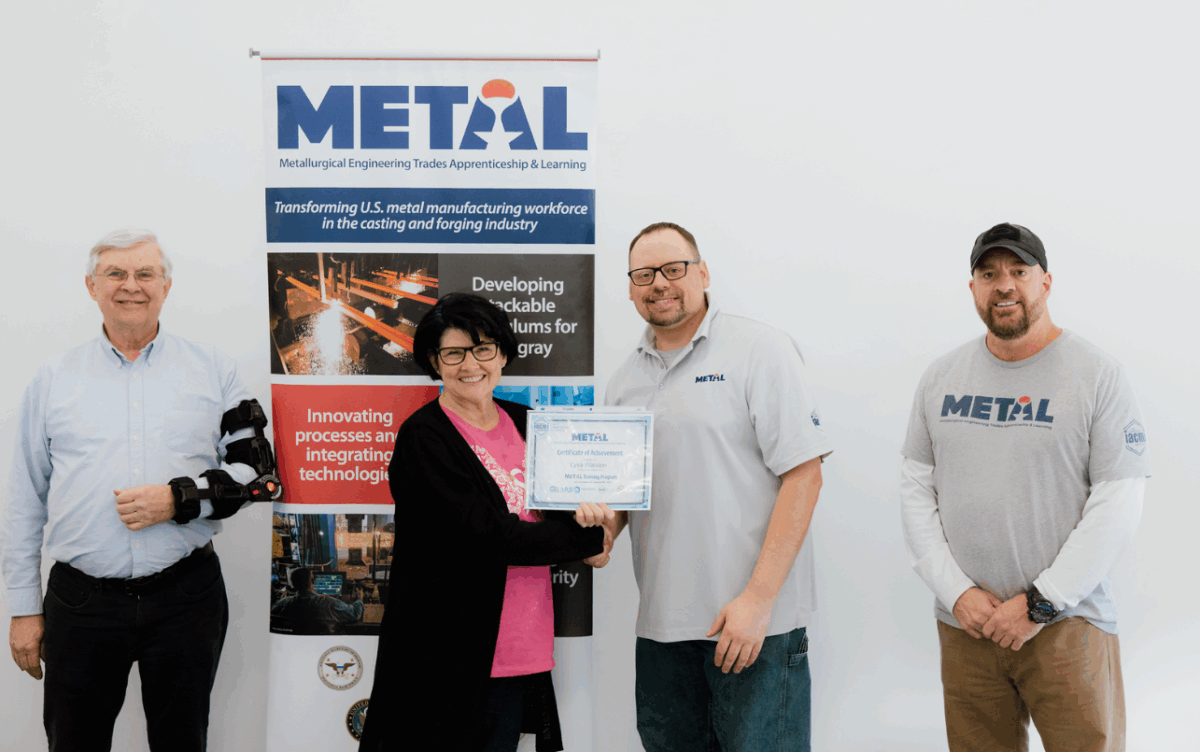
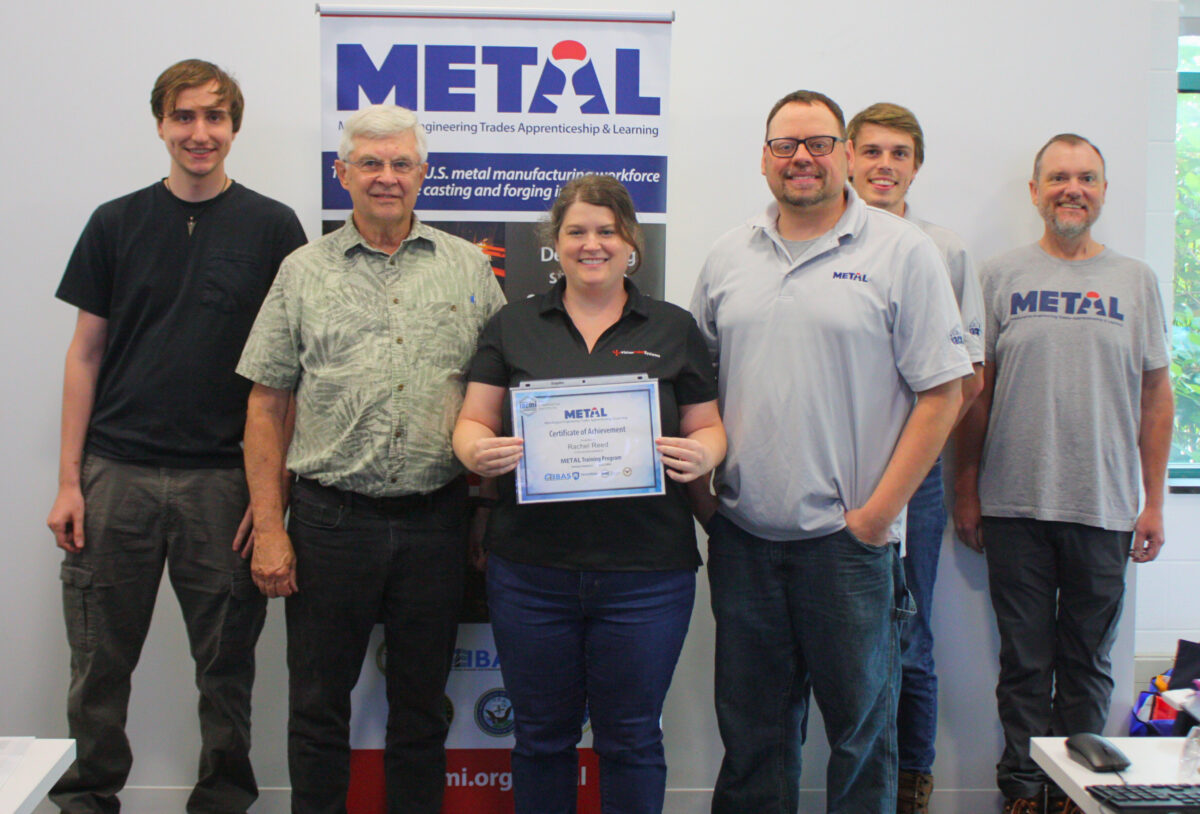
As METAL’s newest hub operator, MTU will deliver METAL’s nationally recognized curriculum, facilitate instructor certification, and launch boot camps and academic pathways tailored to current and future metalworking professionals. MTU will also integrate METAL training into its Summer Youth Programs to offer an immersive introduction to metalworking, metallurgy, and materials science to high school students from across the Upper Midwest.

“This partnership builds on Michigan Tech’s deep roots in materials science and engineering, as well as its strategic location in the Upper Midwest, a region vital to the U.S. manufacturing base,” said Lucinda Curry, METAL National Workforce Manager at IACMI. “Michigan Tech is an ideal partner for this mission, and we’re excited to work together to provide valuable metallurgical training in the manufacturing heartland.”

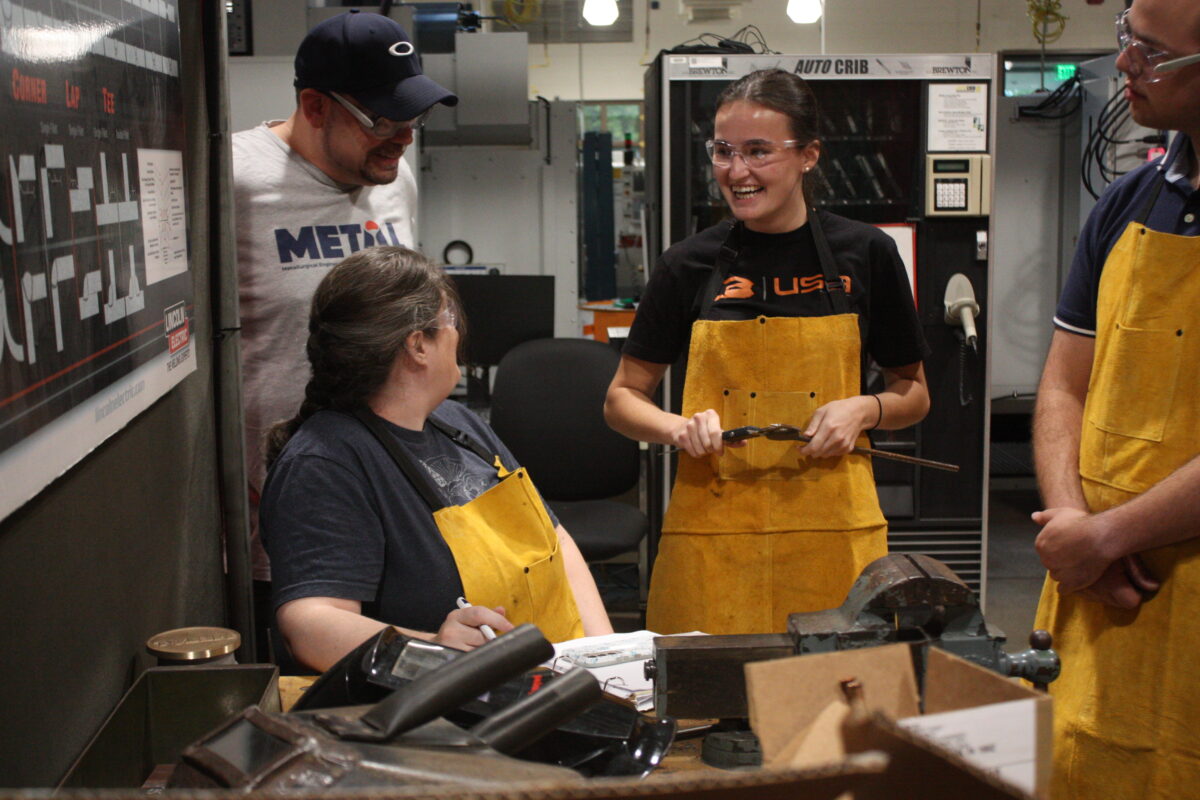
The MTU hub will implement a stacked curriculum model, which combines interactive online learning with immersive in-person casting and forging boot camps at MTU’s state-of-the-art labs. Future educational modules will incorporate training on automation in casting and forging, and will open pathways to employment in critical industry roles. 

“Michigan Tech is proud to be part of METAL’s mission to revitalize and future-proof the American manufacturing workforce,” said Alexandra Glover, Assistant Professor in the Materials Science and Engineering Department at Michigan Tech. “By leveraging our longstanding educational programs focused on metallurgical engineering and strong industry partnerships, we are preparing students with both the foundational and advanced skills needed to thrive in the evolving industrial landscape.”

MTU joins a growing consortium of METAL hubs, including University of Alabama in Birmingham, Ohio State University, Pennsylvania State University, and the University of Tennessee in Knoxville. Together, these institutions are driving a nationwide resurgence in metallurgical and manufacturing excellence by expanding access to high-quality, industry-relevant training.

For more information about METAL at Michigan Tech, please contact:

Brittany Crocker
Email: brittany@piper-communications.com
Phone: 865-329-0553 ext: 216

About METAL
Metallurgical Engineering Trades Apprenticeship & Learning (METAL), led by IACMI, is a national initiative that provides industry-aligned training in casting, forging, machining, and metallurgical processes. With a focus on automation and advanced manufacturing, METAL aims to create a skilled, adaptable workforce prepared to meet both commercial and defense manufacturing demands.

About IACMI
IACMI – The Composites Institute® is a national public-private partnership focused on advancing composite materials and process technologies. Supported by the U.S. Department of Energy and the Department of Defense, IACMI brings together over 170 members from industry, academia, and government to drive manufacturing innovation and workforce development.

About Michigan Technological University

Michigan Technological University is an R1 public research university founded in 1885 in Houghton, and is home to nearly 7,500 students from more than 60 countries around the world. Consistently ranked among the best universities in the country for return on investment, Michigan’s flagship technological university offers more than 120 undergraduate and graduate degree programs in science and technology, engineering, computing, forestry, business, health professions, humanities, mathematics, social sciences, and the arts. The rural campus is situated just miles from Lake Superior in Michigan’s Upper Peninsula, offering year-round opportunities for outdoor adventure.

Magic of Metallurgy brings ‘Wizard of Oz’ Character to Life at Seymour Primary School

Students at Seymour Primary School recently experienced metallurgy first-hand during a live sand casting demonstration at the school’s annual Book Bash celebration. METAL (Metallurgical Engineering Trades Apprenticeships & Learning) and IACMI – The Composites Institute® supported the event by showing students how metal is shaped through a process called sand casting.

This year’s Book Bash book selection was The Wizard of Oz. Seymour Primary’s Book Bash is an annual celebration of reading that brings the entire school community together. For one month each year, students, staff, families and friends all share the experience of reading the same book. The story inspired school-wide participation in a STEM-focused sand casting presentation, where METAL facilitators used a mold of a Tin Man figurine to pour metal into, bringing the iconic character to life. 

The Tin Man casting project served as both a technical demonstration and a creative introduction to the magic of metallurgy, perfectly paired with the school’s elaborately decorated halls, featuring a yellow brick road and an Emerald City.

The Process of Casting the Tin Man

Sand casting is one of the oldest metal fabrication techniques; The process uses compacted sand to form a mold around a solid pattern of the desired object.

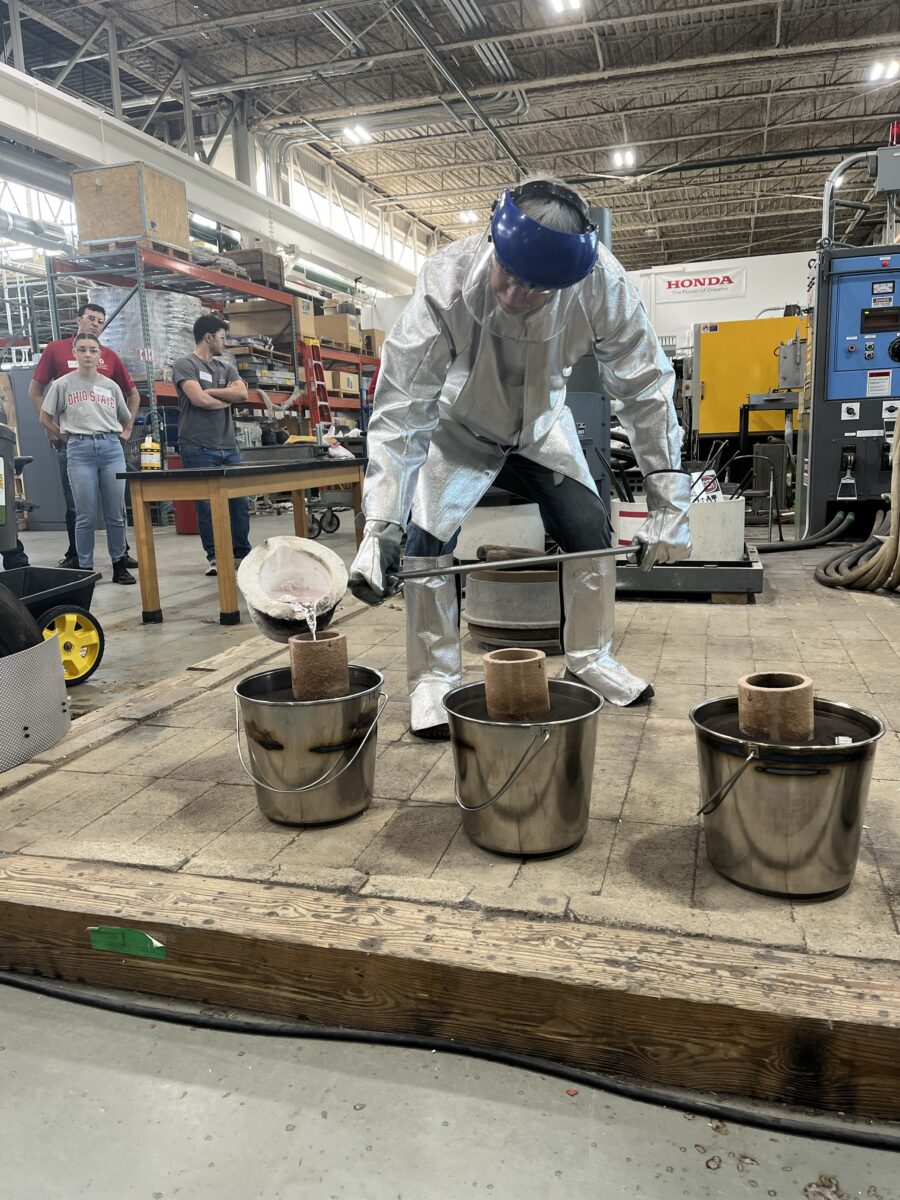
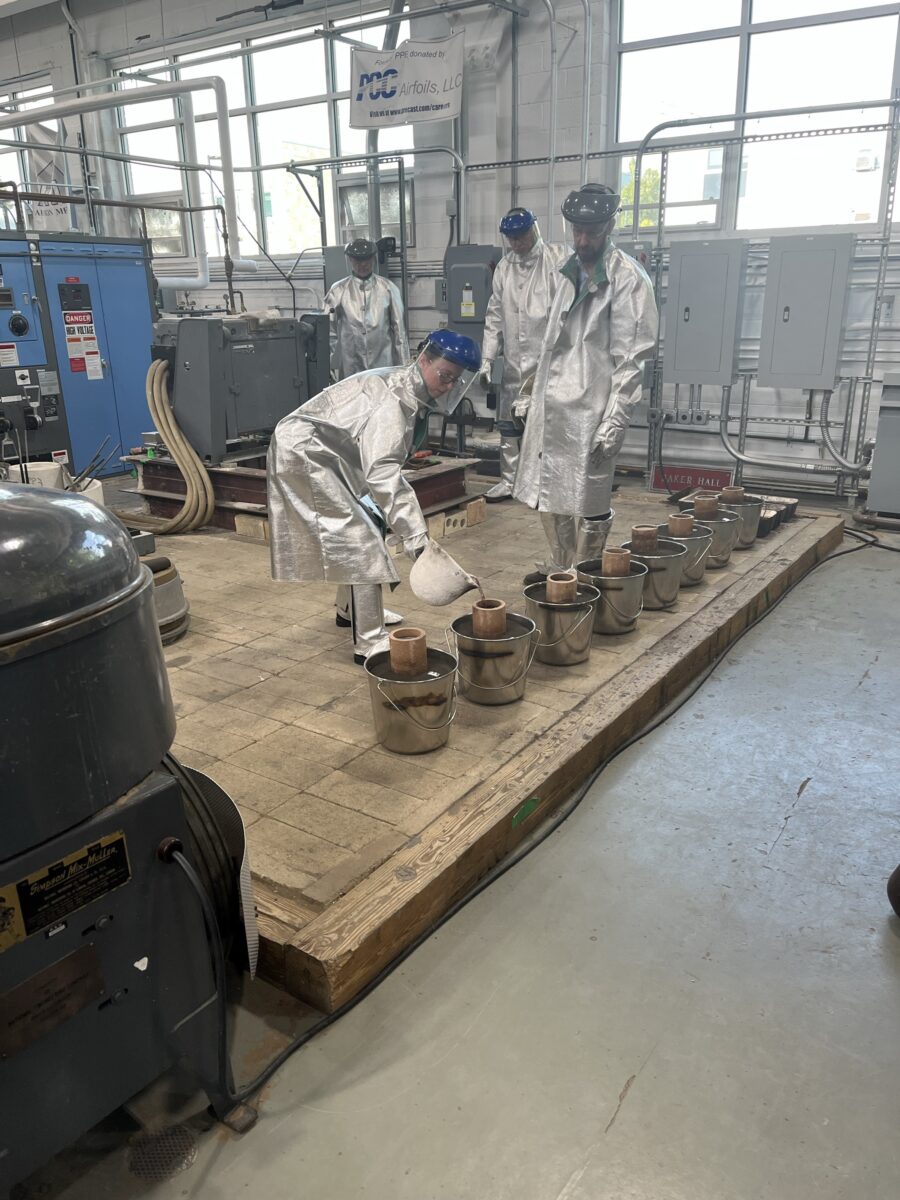
Prior to the event at Seymour Primary, team members at the University of Tennessee School of Art and the Tickle College of Engineering collaborated to investment cast a headless Tin Man’s body and base.  During the demo, instructors created the Tin Man’s head mold by tightly packing specialized sand around a 3D-printed pattern. Once the mold was removed and the cavity formed, instructors melted tin to over 600°F and poured it into the mold. 

The room erupted into ‘oohs’ and ahhs’ when students learned the metal had to be heated to 600 degrees. After cooling, instructors broke the sand mold away, revealing a solid metal replica of the Tin Man’s head. 

Igniting Curiosity Through Creativity

“We’re taking a character from the book, the Tin Man, and we’re talking about engineering principles, like 3D modeling, 3D printing and metal casting,” said Stephen Sheriff, Process Engineer and Research Associate II at the University of Tennessee’s Fibers and Composites Manufacturing Facility in Knoxville. “But beyond the science, it’s about sparking creativity, whether it leads to a career or just a new curiosity.”

Following the demonstration, students were curious and eager to ask questions. They wanted to know where the metals came from, what materials can be melted and how various metals are molded.

Building the Workforce of Tomorrow

Sand casting demonstrations aren’t just about science; they help students explore future opportunities in critical career fields.

“We’re hoping to spark students’ interest in trades like metallurgy and help fill critical workforce gaps in areas like ship and submarine building for the Department of Defense,” said Greg Harrell, Workforce Coordinator at IACMI.

METAL is part of a larger effort, supported by the Department of Defense, to build a robust pipeline of skilled tradespeople. By introducingthese concepts early, the METAL program aims to inspire the next generation of metallurgical engineers, technicians and craftsmen.

“The key takeaway is that this kind of creativity and problem-solving isn’t out of reach,” said Sheriff. “With some imagination and the right tools, an idea can become a finished project.”

Interested in Hosting a Workshop or Live Demonstration?

Sand casting is just one of the many techniques METAL uses to introduce students to the world of casting, forging, manufacturing and design.

Demonstrations like these offer students a firsthand look at traditional metalworking processes, helping them understand how raw materials are transformed through engineering and craftsmanship. Watching an idea come to life shows students the diverse applications of metallurgy – both creative and functional – and offers an introduction to the industry. 

To learn more, visit: metalforamerica.org

Apprenticeships Strengthen the U.S. Industrial Workforce

On National Apprenticeship Day, Metallurgical Engineering Trades Apprenticeship & Learning (METAL) recognizes the powerful impact of apprenticeships in addressing workforce gaps and supporting the U.S. defense and industrial bases.

The need to fill major gaps in the U.S. defense workforce is critical. Between now and 2028, the U.S. defense industrial base is projected to require at least 122,000 additional skilled professionals, including shipbuilders, engineers and others in critical roles supporting the Department of Defense

As defense manufacturing competes with other sectors for these critical workers, failure to meet the growing demand for skilled professionals could exacerbate vulnerabilities within the defense industrial base and the U.S. manufacturing economy.

Photo courtesy of Scot Forge

Training Partnerships Drive Success

METAL, led by IACMI – The Composites Institute, has a strategic partnership with Jobs for the Future (JFF) to provide apprenticeship opportunities that strengthen the nation’s metalcasting workforce while supporting the security and sustainability of America’s defense and manufacturing industrial bases.

METAL also provides consulting services, connections to funding opportunities and apprenticeship curriculum for companies to create custom training and on-the-job learning experiences. 

A good example of this is Goodwin Engineering Training Company. Goodwin partnered with METAL to share their highly successful apprenticeship model and curriculum to address critical skill gaps in the metal manufacturing workforce – their model is “a radical, new approach needed to raise the skill level of the individual worker to the standard that they required for future growth” said Natalie Jellyman, Goodwin Apprenticeship Manager.

By combining METAL’s workforce development mission with Goodwin’s proven training expertise, our partnership has delivered a specialized curriculum that integrates classroom instruction with practical, industry-relevant experience.

The curriculum can be easily adopted by companies that want to implement a turn-key apprenticeship program at no charge. In some cases, incentive funding is available to launch the new program. 

“We can learn so much from textbooks, from word of mouth,” said Lee McCue, Teacher at Goodwin Engineering Training Center, “But actually doing the job itself, and putting that knowledge into practice is where you find your feet and find those experiences.”

Apprenticeship programs, like the one at Goodwin, tackle workforce shortages, strengthen national security, boost U.S. economic competitiveness and build lasting career pathways in U.S. manufacturing.

Apprenticeships in Action

You can see the impact of apprenticeships in action at  CWC Textron, a leading manufacturer of high-quality castings for the automotive and industrial sectors.

CWC Textron’s apprenticeship pipeline provides apprentices with skills in machine repair, millwrighting and electrician apprenticeships. 

“By investing in apprenticeships, companies can support the development of individual careers and secure their future and the industry’s future,” said Holly Rolewicz, apprenticeship program lead for CWC Textron. “These trades are vital to our success, particularly in maintaining a foundry that has been operational for 117 years and relies on aging equipment.” 

Apprentices from CWC Textron


For more information on apprenticeship opportunities and curriculum development, connect with Lucinda Curry at lcurry@iacmi.org.

Casting the Future: Ianto Woolridge’s Journey into Metalcasting with FEF

Metallurgical Engineering Trades Apprenticeship & Learning (METAL) partners with the Foundry Educational Foundation (FEF) to help build the next generation of talent in U.S. manufacturing. 

Established in 1947, FEF is the liaison between students, educators and industry leaders, ensuring young engineering talent enters the metalcasting industry. Today, it continues that mission by supporting scholarships, engineering programs and internships that shape the next generation of professionals in the field.

As part of this partnership, FEF has placed 24 interns from 10 universities in its first program phase and secured multiple industry partners to develop 10 more internships. 

FEF Interns work on real-world projects, assist with student outreach and gain critical networking opportunities that help shape their careers.

Meet Ianto Woolridge

Through our collaboration with FEF, METAL supports students like Ianto Woolridge, a freshman at Virginia Tech majoring in Materials Science and Engineering.

As part of FEF’s internship placement program, FEF placed Ianto at Virginia Tech as a foundry intern specializing in investment casting using 3D-printed expendable molds. His regular duties include setting up gating, creating molds around cast patterns and sintering molds under the direction of Virginia Tech foundry director Dr. Alan P. Druschitz.

Woolridge joined FEF in the Fall of 2024 and has since gained valuable insights and direction for his future career. Here’s what he said about how his FEF program experience has shaped his academic and professional goals.

Q: Tell us about your experience in metalcasting since joining the FEF program.

A: The FEF internship was my first real exposure to metalcasting and it’s been such a valuable experience. I joined the program in the fall of my freshman year. At that time, I had no idea what to expect. I knew I was interested in materials science, but I hadn’t explored the practical side of how those materials are used in manufacturing. Getting into the foundry for the first time was eye-opening. I saw firsthand how raw materials are transformed into usable products and that hands-on experience helped me understand the purpose behind what I’m learning in class. It was a huge shift from theory to practice and sparked a genuine interest in metalcasting.

Q: What essential skills have you learned from your time in the university foundry lab?

A: One of the biggest things I’ve developed is my problem-solving ability, especially under real-world conditions. In the foundry, things don’t always go according to plan. Whether it’s issues with temperature control, molds, or unexpected results in the casting process, I learned how to stay calm and work through challenges methodically. I also developed better communication skills. I leaned heavily on seniors in the foundry who had more experience and they were incredibly supportive. Collaborating with them taught me to ask the right questions, learn from feedback and troubleshoot effectively. I know I’ll take these skills with me into any engineering or professional setting.

Q: How do you see your metalcasting experiences influencing your career path?

A: When I first came to Virginia Tech, my plan was straightforward: get a degree, go to graduate school, earn a PhD and work in a research lab. But the FEF experience shifted my perspective. Working in the foundry made me realize that I prefer hands-on, outdoor work where I can physically interact with materials and processes. I enjoy the energy of the foundry, the teamwork and the tangible outcomes. While I still value academic research, I now see myself pursuing a more applied role in the industry—something that blends engineering with real-time problem-solving and production.


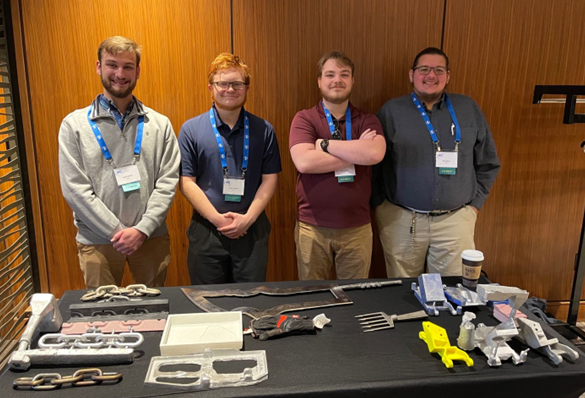
Examples of Ianto Woolridge’s work as part of the Virgina Tech FEF Program

 Q: In what ways has FEF supported your academic and industry experiences?

A: FEF has made a significant impact on both my education and my confidence as a student. Because I had early exposure to real casting and manufacturing techniques, I’ve felt more prepared and less intimidated by my coursework – especially in classes like manufacturing, where we’re expected to understand casting principles. That’s been a game changer for me. It’s one thing to study manufacturing, but it’s another to see and do it for yourself. FEF allowed me to apply what I’m learning and to connect the dots between theory and practice.

Q: What message would you share with supporters of FEF who help make these opportunities possible?

A: I can’t thank FEF and its supporters enough. Without the scholarship and the opportunity to get involved early in the foundry, I probably wouldn’t have discovered how much I enjoy this type of work. It’s not just about the financial support – though that certainly helps – it’s about being given a space to learn and explore. Because of this program, I’ve explored options for a future career after graduation. I hope donors and industry partners continue to invest in FEF because their impact on students like me is life-changing.

Q: What would you say to other students or the general public who may not be aware of opportunities in metalcasting or manufacturing?

A: There’s a gap in awareness. Many students go into engineering just thinking about high-paying jobs, but they often overlook careers in metallurgy or manufacturing. These fields are essential to the U.S. economy but don’t get the visibility they deserve. Programs like FEF help change that by exposing students to what these careers look like. They show us that hands-on, high-technology work in these industries can be just as impactful and rewarding as more traditional engineering paths.

Learn more about FEF’s programs and its mission here: https://www.fefinc.org/

Virtual Reality Meets Metallurgy: The Future of Defense Training is Here

To address the growing need for skilled workers in the U.S. industrial base, the Metallurgical Engineering Trades Apprenticeship & Learning (METAL) program collaborates with universities to offer immersive bootcamps that equip participants with essential skills in metallurgy and manufacturing. One unique offering during these bootcamps is virtual reality-based foundry tours.

The tours complement the bootcamps’ hands-on training in critical skill areas like casting, sandblasting, and forging metals. This fusion of traditional craftsmanship and modern innovation ensures that graduates are well-prepared to contribute to advancing national defense and other critical sectors.​

Bringing Advanced Manufacturing to Life Through VR

The University of Tennessee and IACMI developed the virtual reality modules to enhance STEM education by immersing users in advanced composites manufacturing. Modules cover processes like carbon fiber production, sheet molding compound, extrusion, long fiber thermoplastic production, extrusion-compression molding, injection molding, pultrusion, and roll forming.

Virtual Reality

Students view metal casting through virtual reality at a foundry in Erie, Pennsylvania.

Uday Vaidya, Chief Technology Officer at IACMI, said these virtual reality modules are especially vital to provide immersive learning experiences and generate students’ interest in the metallurgical field.

“The virtual reality foundry is a very powerful one, not all K-12 students have the time to go to the foundry, ” said Vaidya.” “By viewing it on VR, it’s literally like being there. You’re going to basically see things like you’re on the floor, watching metal pour, big presses coming down on blocks of hot metal, you can almost feel the effects of the temperature and pressure. There’s nothing like experiencing it as close to the real world as possible.”

Virtual Reality Foundry

Uday Vaidya, Chief Technology Officer at IACMI, demonstrates virtual reality modules at a foundry in Erie, Pennsylvania.

Led by IACMI–The Composites Institute, METAL addresses critical workforce shortages in the U.S. casting and forging industry. Between now and 2028, the defense industrial base is projected to require at least 122,000 more professionals, including shipbuilders, engineers, and other essential roles supporting the Department of Defense. A shortfall in meeting this demand could pose a serious risk to the strength and security of U.S. national defense.

Vaidya said he’s incredibly grateful to the Department of Defense for funding METAL initiatives and hopes programs like these can support DOD and IACMI’s goal of reaching up to 100,000 students.

Learn more about METAL’s mission and our free online training here.